Air-Systems Engineering has been a commercial and industrial service contractor since 1991. Our technicians work on chillers, boilers, rooftop units, hydronic systems, controls, and process equipment in operating buildings — manufacturing plants, laboratories, cleanrooms, schools, and recreation centers. The work is diagnostic before it is mechanical: understanding an entire system and how its parts interact, rather than replacing the component that failed and waiting for the next one.
Air- and water-cooled chillers, process cooling loops, waterside economizers, cooling towers, and the distribution that serves them. Refrigeration piping and Universal CFC-certified technicians. Environmental test chambers where manufacturing depends on them.
Commercial boilers, pool and domestic hot water, flat-plate and indirect heat exchangers, pumps, expansion and air separation, and hydronic distribution — including the combustion and control problems that get misdiagnosed as equipment failures.
Packaged and variable air volume rooftop units, air handlers, VAV boxes and reheat, exhaust and make-up air, dehumidification, and the sheet metal and dampers between them. Startup, changeout, and long-term maintenance.
BACnet-based controls and building automation: sequences that never worked as written, sensors reading wrong, overrides nobody documented, and equipment fighting other equipment. Troubleshooting done at the system level with a laptop on the network, not by swapping parts.
ISO-class cleanrooms and precision laboratories: pressurization, filtration, humidification, temperature and humidity tolerance, hazardous and process exhaust. Keeping a room certified is a different job than getting it certified — we do both.
Compressed air, distilled water, process piping, and the utilities that feed machining, test, and production equipment. Industrial work backed by OSHA and MSHA qualifications with Veriforce compliance support.
| Preventive maintenance | Scheduled maintenance programs built around the equipment actually in the building and how hard it runs — not a generic checklist. Findings are documented so the owner can see condition and plan capital, instead of learning about it when something stops. |
|---|---|
| Complex diagnostics | Problems that have already defeated somebody else: intermittent faults, systems that perform on paper and not in the room, control sequences fighting mechanical design. We look at the whole system, including how it was built and what has been changed since. |
| Emergency response | When production or a facility is down, response is measured in hours. A failed 40 HP pool supply fan motor at a recreation center was diagnosed, rigged, and running again within 24 hours, including a 260-ton crane mobilized with our rigging partner. |
| Industrial access | OSHA and MSHA safety qualifications with Veriforce compliance support, plus manufacturer service and startup authorizations — so our technicians can get on the sites that require them. |
| Feeding the design work | What technicians find in the field goes back to the people producing drawings. Equipment that is unserviceable, access that was never considered, and selections that looked fine on a schedule are exactly the mistakes we design out of the next project. |
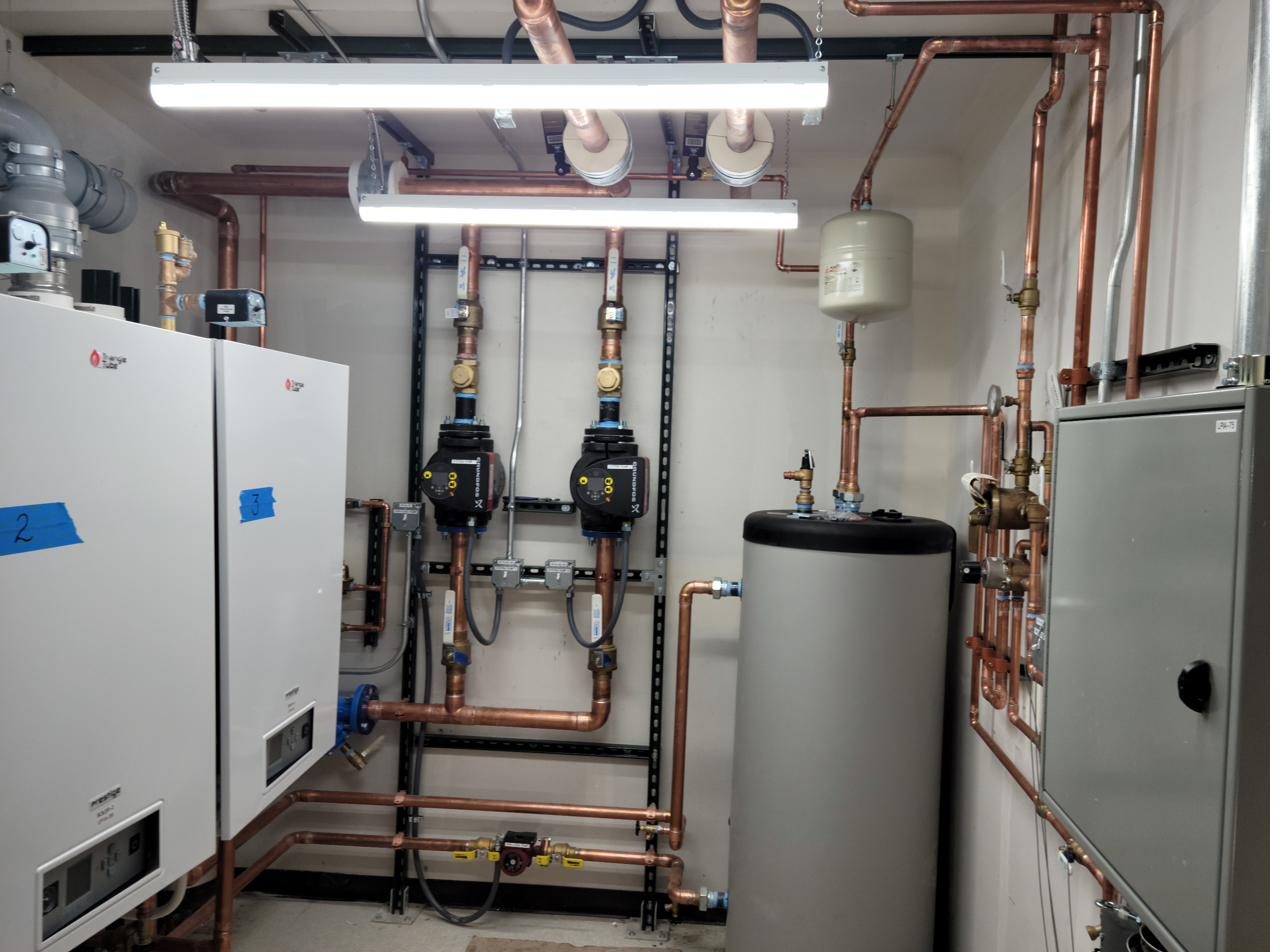
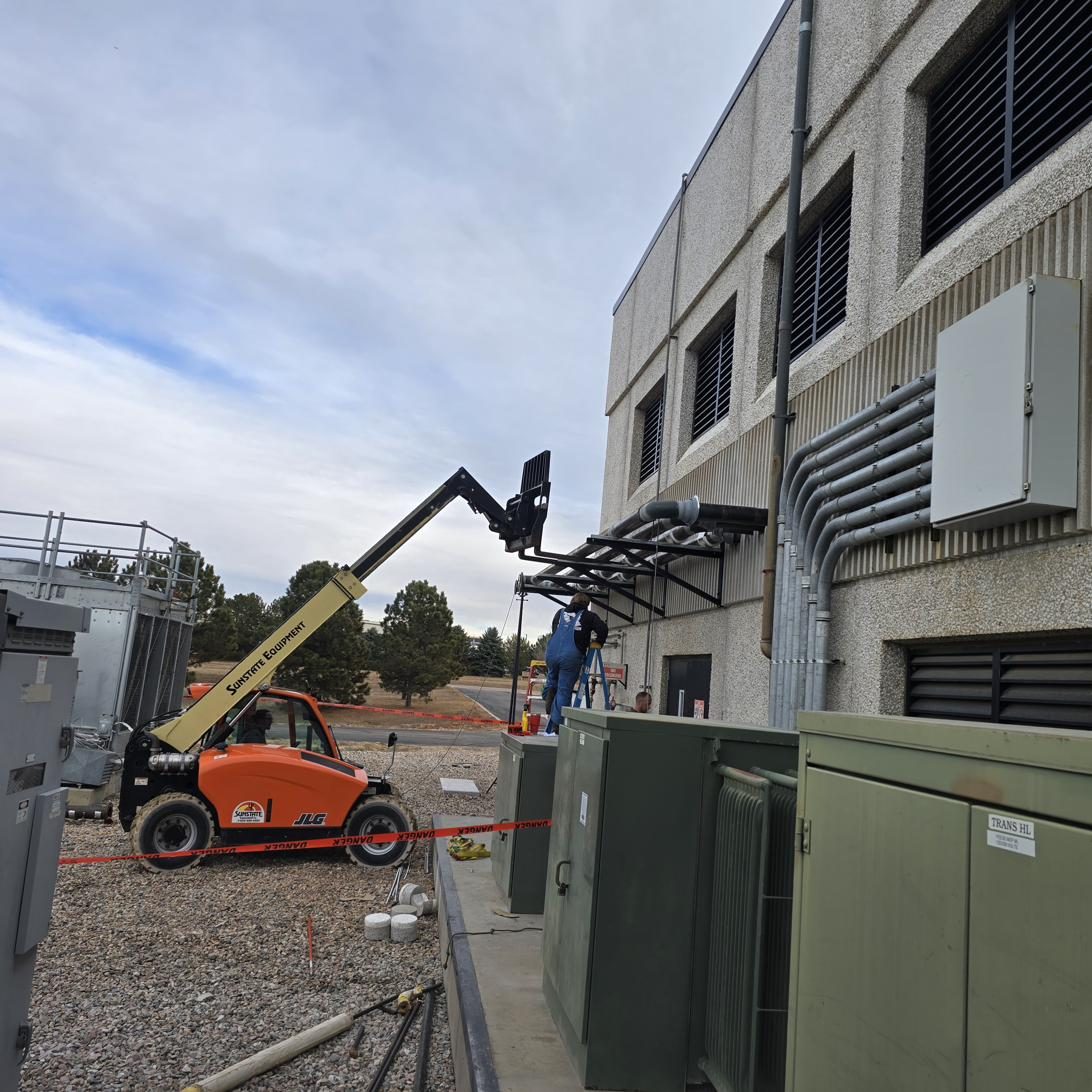
Institutional knowledge is the product. A technician who has been in the same mechanical room for sixteen years finds things a stranger cannot.
Several of these owners have since hired ASE for renovations, equipment replacement, and design-build work — see Projects, or how service knowledge shapes our engineering.
Service call, bid invitation, or a system you need designed and built — start with the people who will actually do the work.